
Strengthening the protection system for unaccompanied children through alternative care models
25 August 2026
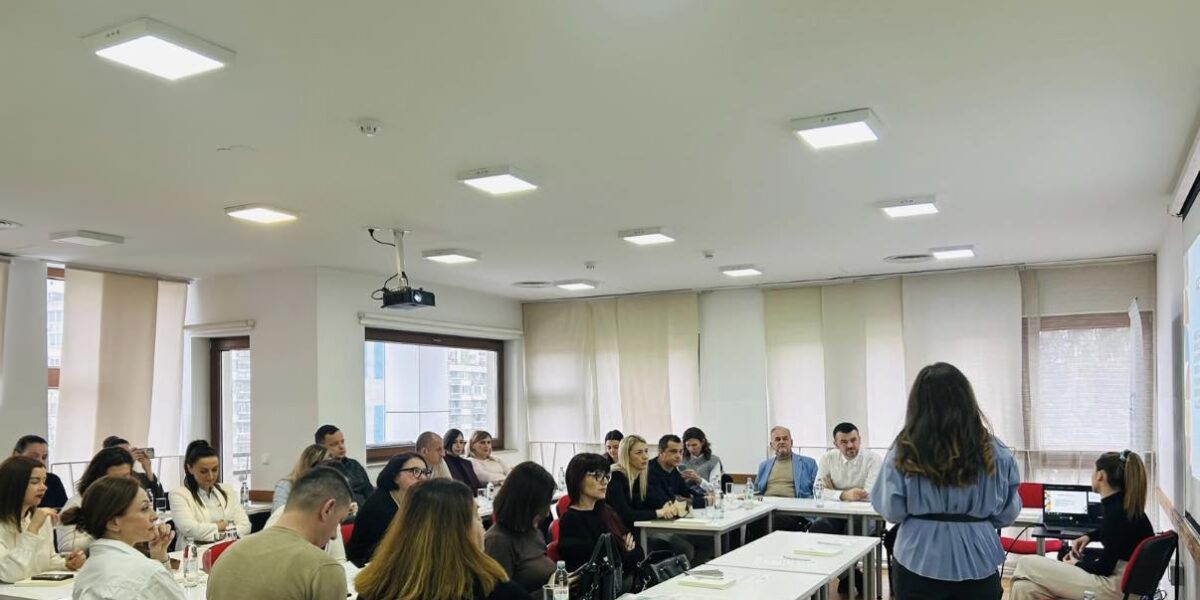
On Friday, March 27, 2026, a professional seminar titled “Protection of Unaccompanied Children through Alternative Care: Experience, Standards, and Systemic Solutions” was successfully held at the Archdiocesan Youth Pastoral Center “John Paul II” in Sarajevo. The event brought together key stakeholders in the fields of child protection and migration management, with the aim of initiating a structured dialogue on improving existing practices and strengthening the institutional response to the needs of unaccompanied children.
The seminar brought together representatives of relevant state institutions, including the Ministry of Security of Bosnia and Herzegovina, the Service for Foreigners’ Affairs, as well as social welfare centers from the municipalities of Novi Grad, Stari Grad, Centar, Ilidža, and Bihać. In addition to institutional actors, significant participation was also made by representatives of international and non-governmental organizations, including World Vision, the International Organization for Migration, UNICEF, Save the Children, IPSIA, Caritas Bosnia and Herzegovina, and Caritas Switzerland, along with numerous practitioners who work daily in the field of protecting children on the move.
Through a combination of expert presentations and interactive discussions, participants had the opportunity to exchange experiences and analyze the role of alternative care models in ensuring the best interests of the child. Special focus was placed on the prevention of secondary victimization, as well as on creating conditions that contribute to the long-term stabilization and integration of unaccompanied children into local communities. The discussions further opened space for reflection on the quality of existing protection mechanisms and the possibilities for their improvement through systemic approaches.
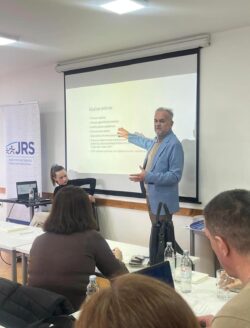
One of the key conclusions of the seminar relates to the need for clearer institutional recognition of alternative care within the social protection system in Bosnia and Herzegovina. The importance of defining standardized operational procedures, clearly delineating institutional responsibilities, and establishing sustainable financial models that would enable the long-term implementation and scaling of such solutions was emphasized.
The key role of intersectoral cooperation as the foundation of an effective protection system for unaccompanied children was particularly emphasized. Connecting the security, social, educational, and health sectors, along with the active participation of international and non-governmental organizations, has been recognized as a necessary precondition for the timely identification of needs, coordinated action, and continuity of support for children on the move. Through the exchange of experiences and joint planning, the value of partnership has been confirmed as a mechanism that contributes to the development of sustainable, inclusive, and rights-based solutions.
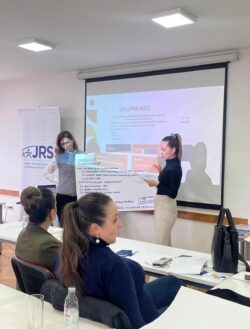
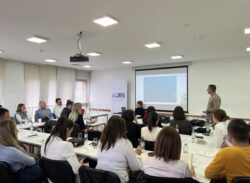
The seminar was organized within the project “Enhancing Hospitality in the Western Balkans” (MOE 23815D), funded by Renovabis, and represents an important contribution to ongoing efforts aimed at improving the protection system and response to the needs of vulnerable children on the move.